Using AI To Manage Energy Bills And Personal Wealth
Using AI to manage energy bills and personal wealth is something that more people than ever before are looking into. They want to figure out whether this new technology is able to reduce their energy costs significantly so that they can enjoy a better lifestyle. They also want to know whether there are new industries that are opening up because of advances in the technology that are running in parallel alongside solar voltaics.
Managing Energy Bills with AI
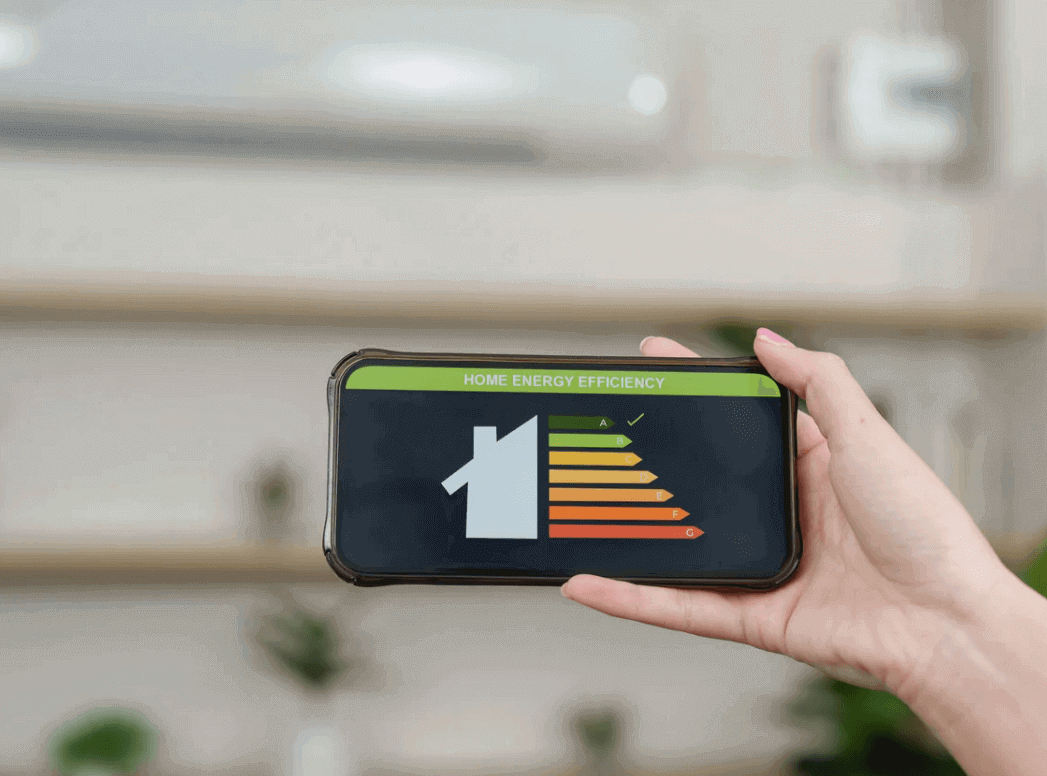
AI-powered tools are useful when owners want to manage energy bills in real-time. Many of these systems lead to lower bills by between 20% and 40%, which is a significant saving, particularly in a single year.
These days, a lot of tools have inbuilt AI to detect devices in use. These can then send alerts to owners telling them when they are using electricity wastefully. Generative AI systems can also provide personalized advice to home owners. They can do things like negotiate with suppliers on their behalf or simply tell them how they can improve their energy usage at home.
There is no reason why homeowners can’t start small, simply pairing a smart thermostat with a utility app can be a good way to begin this process. It doesn’t require any expensive installations to improve efficiency significantly.

Managing Personal Wealth with AI
Related to this is AI wealth management is also taking over. Many businesses are using it to help their clients improve their returns on their investments. AI systems massively lower fees, providing customers with a more competitive rate.
One of the most useful applications of AI in the wealth management context is how it manages energy budgeting and expense tracking. Many companies and individuals are facing rising energy costs, especially in places like Europe. But with personal expense tracking and smart data analysis, it’s possible to predict bills and suggest cuts.
AI assistants are also handy for insights. Tools like Copilot, Gemini, and Claude are able to analyze statements and provide better investing ideas. They can identify problems compared to market norms and then suggest solutions. Previously, getting this level of insight would have cost a lot of money, and you’d have had to work with a large team. But now, it’s available within software itself.
Overall, lower energy bills directly boost disposable income. People who save a hundred dollars a month on their utility costs have an extra $1,200 per year to play with, which is a significant return if you think about it in terms of the cost of the initial investment in AI. Usually, AI systems are inexpensive, on the order of a few dollars per month.
When you consider the effects of redirecting those savings to high-yield interest accounts or investments, the financial gains can be even greater. AI can cut energy waste by 20-30% and free up more cash for investment in other locations.
Overall, therefore, it’s a good idea to think about how AI can manage wealth and energy usage in the same sentence. The combination of these technologies is leading to wealth creation for a lot of people.