

The Water-Energy Nexus: What Every Kilowatt Really Costs
Flip a switch. Charge your phone. Run the dryer. Behind every one of those actions sits a hidden resource most people never think about: water.
Electricity and water are deeply connected. Producing power takes water. Treating and moving water takes power. This loop is called the water-energy nexus, and it shapes everything from your monthly utility bill to the pressure on your local watershed.
Understanding this connection changes how you think about clean energy at home. It also explains why battery storage and rooftop solar do more than save money. They save water, too.
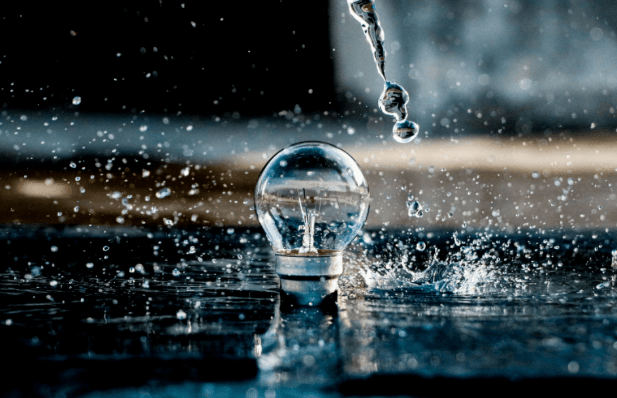
How Much Water Does Your Electricity Really Use?
Most grid electricity comes from thermoelectric power plants. These include coal, natural gas, and nuclear facilities. They all rely on the same basic process: heat water, make steam, spin a turbine.
That process demands careful engineering at every stage. Plants rely on specialists who handle industrial-scale pretreatment, boiler feedwater conditioning, condensate polishing, and cooling tower chemistry through firms like EAI Water. Without precise chemical control and continuous monitoring, a plant loses output, burns more fuel, and wastes far more makeup water than it should.
The scale is enormous. Thermoelectric generation accounts for a huge share of freshwater withdrawals in the United States, rivaling agriculture as the largest single use, according to the USGS.
The typical American home uses around 900 kilowatt-hours of electricity per month. Depending on your regional power mix, that translates to thousands of gallons of water used behind the scenes every month just to keep your lights on.
Where the Water Actually Goes Inside a Power Plant
Water plays several roles inside a thermal power plant. Each one demands careful management to keep the facility running safely and efficiently.
Cooling Towers
After steam spins the turbine, it has to be condensed back into water. Cooling towers handle this step. They release heat into the atmosphere and recirculate cooled water back through the system.
Cooling towers lose water through evaporation, drift, and blowdown. A single large plant can evaporate millions of gallons per day.
Boilers and Steam Systems
The water that becomes steam must be extremely pure. Even trace minerals cause scale and corrosion on boiler tubes and turbine blades. That damage lowers efficiency and shortens equipment life.
Plants spend enormous effort keeping boiler feedwater clean. Reverse osmosis, demineralization, and condensate polishing all play a role. It is quiet work, but it determines how reliably the lights stay on in your neighborhood.
Wastewater and Blowdown
Every cycle of concentration in a cooling tower leaves behind more dissolved solids. Eventually, that water has to be discharged and replaced. Managing this blowdown is a major operational and regulatory challenge for every utility in the country.
Why Renewables Change the Equation
Not all electricity carries the same water footprint. Solar panels and wind turbines are dramatically less water-intensive than thermal plants.
Solar photovoltaics use almost no water during operation. The only water involved is for occasional panel cleaning. Wind turbines use essentially none.
This is a huge deal for drought-prone regions. Every kilowatt-hour generated from rooftop solar is a kilowatt-hour that did not require cooling water at a distant plant.
How Home Energy Storage Amplifies the Savings
Solar alone helps during daylight hours. But the real shift happens when you add battery storage.
Batteries let your home draw on stored solar energy during evening peak hours. That is exactly when the grid leans hardest on thermal plants to meet demand. Shifting your load off those peak hours reduces the strain, the emissions, and the water use tied to your household.
It also smooths out demand spikes. Utilities respond to spikes by firing up “peaker” plants, which tend to be older, less efficient, and more water-intensive than baseload units. Every home with storage chips away at the need for those plants to run.
Aquion Energy covers battery options for exactly this purpose. For readers starting to size a system, the guide to the best rechargeable batteries is a good place to begin.
What This Means for the Average Homeowner
You do not need to memorize gallons-per-kilowatt figures to make smart choices. A few practical takeaways cover most of it.
Efficiency Comes First
Every watt you do not use is water you do not consume. LED lighting, heat pump appliances, and better insulation quietly cut your invisible water footprint every single day.
Solar Pays a Double Dividend
Rooftop solar reduces your electric bill and your share of regional water demand. In hot, dry states where both electricity and water are stressed, this matters more than almost anywhere else.
Storage Multiplies the Impact
Pairing panels with a home battery shifts consumption away from the dirtiest, most water-hungry hours on the grid. It also gives you backup power during outages, which are becoming more common as grids strain under extreme weather.
The Bigger Picture
Water and energy planning used to happen in separate silos. That is changing quickly. Utilities, regulators, and facility operators now treat the two as a single system.
For homeowners, the shift is simpler but no less important. Choosing how you power your house is also choosing how much water gets pulled from a river or aquifer on your behalf.
Clean energy at home is not only about carbon. It is about water, reliability, and resilience all at once. Every solar panel installed, every battery charged during the day, and every efficient appliance swapped in reduces pressure on a system that quietly moves trillions of gallons behind the scenes.
The next time you flip that switch, you will know what it really costs. And you will know exactly what to do about it.