
Managing Equipment Assets in Clean Energy Projects
Clean energy projects depend on expensive, long-life equipment. Solar arrays, battery systems, inverters, transformers, turbines, meters, control systems, and site infrastructure all affect project output and financial performance.
Managing these assets well is not only an accounting task. It is an operational discipline that protects uptime, improves forecasting, supports compliance, and helps investors understand project value.
For clean energy developers, asset owners, and operators, equipment management should begin before installation and continue through commissioning, operation, maintenance, upgrades, and retirement.
Build an Asset Register Before Commissioning
Every clean energy project needs a detailed asset register. This should be created before equipment goes live, not months later during an audit or maintenance issue.
The register should identify each major component, its location, manufacturer, model number, serial number, warranty terms, installation date, commissioning date, expected life, and maintenance schedule.
Finance teams should also record acquisition cost, depreciation method, grant treatment, tax classification, and ownership status. In accounting terms, major equipment is usually treated as a fixed asset because it provides value over multiple reporting periods rather than being consumed immediately.
A clean register creates one reliable source for finance, operations, procurement, insurance, and compliance teams.
Classify Equipment by Criticality
Not every asset carries the same operational risk. A failed sensor may create a reporting issue, while a failed inverter or transformer can reduce output immediately.
Classifying equipment by criticality helps teams prioritise inspections, spare parts, monitoring, and maintenance spending.
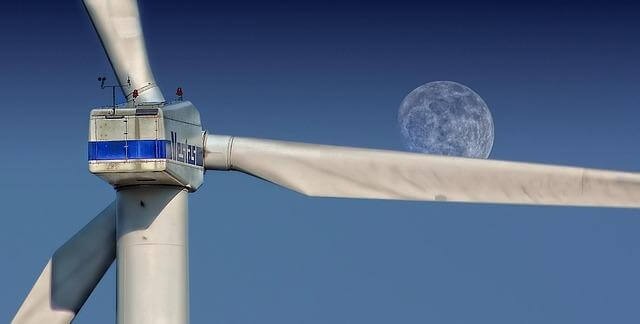
High-criticality assets are those that affect energy generation, storage availability, grid connection, safety, or regulatory reporting. These assets need tighter monitoring and faster response procedures.
Lower-criticality assets still matter, but they may not justify the same level of preventive maintenance or spare inventory.
Track Lifecycle Costs
The purchase price of clean energy equipment is only part of the total cost. Operators also need to track installation, maintenance, downtime, software subscriptions, inspections, warranties, spare parts, insurance, and eventual disposal or recycling.
Lifecycle cost tracking helps project owners understand whether equipment is performing as expected.
Costs to Monitor
Key cost categories include:
- Initial equipment purchase
- Engineering and installation
- Scheduled maintenance
- Corrective repairs
- Monitoring software
- Spare parts inventory
- Downtime and lost production
- Compliance inspections
- Decommissioning or recycling
This data improves budgeting and supports better vendor decisions on future projects.
Use Preventive and Predictive Maintenance
Clean energy equipment often operates in harsh conditions. Heat, dust, moisture, vibration, corrosion, wildlife, and electrical load changes can all affect performance.
Preventive maintenance should follow manufacturer requirements and site-specific risk factors. This includes inspections, cleaning, torque checks, firmware updates, lubrication, calibration, thermal imaging, and electrical testing.
Predictive maintenance uses performance data to identify issues before failure. For example, abnormal temperature readings, reduced output, increased resistance, or battery performance drift can signal problems early.
The goal is to repair equipment before it reduces generation or causes a safety risk.
Control Environmental Conditions
Environmental control is often overlooked in asset planning. Dust, airborne particles, humidity, and temperature instability can reduce equipment efficiency and shorten component life.
Battery rooms, inverter stations, workshops, manufacturing areas, and maintenance facilities need clean operating conditions. In dusty or industrial environments, air filtration systems can help protect sensitive equipment, reduce particle buildup, and improve working conditions for maintenance teams.
Environmental controls should match the equipment risk. Outdoor solar panels may need cleaning schedules, while indoor battery and control systems may need humidity, ventilation, and particulate control.
Manage Warranties and Vendor Obligations
Clean energy projects often involve multiple vendors. Each may have different warranty periods, service requirements, exclusions, and documentation rules.
A warranty is only useful if the operator can prove compliance with maintenance and operating conditions.
Store all warranty documents, service reports, inspection logs, software updates, and failure records in a central system. Link them to each asset record.
This helps avoid disputes and speeds up claims when equipment fails.
Connect Asset Data to Performance Monitoring
Asset management should be tied to energy performance data. If equipment records sit separately from monitoring systems, teams may miss patterns.
For example, repeated underperformance from one string, inverter, or battery module should trigger a review of maintenance history, warranty status, installation records, and environmental conditions.
Useful Performance Metrics
Operators should track:
- Availability rate
- Energy output by asset group
- Mean time between failures
- Mean time to repair
- Maintenance cost per asset
- Warranty claims
- Downtime hours
- Spare parts usage
These metrics show whether assets are delivering their expected return.
Plan Replacement Before Failure
Clean energy assets do not all age at the same rate. Some components may require replacement earlier than the main project infrastructure.
Inverters, batteries, monitoring devices, cooling systems, and communication hardware may have shorter lifecycles than panels, foundations, or building structures.
Replacement planning should consider expected life, failure history, vendor support, parts availability, technology improvements, and project economics.
Waiting until failure can create downtime, urgent procurement costs, and missed production targets.
Final Thoughts
Equipment asset management is essential for clean energy project performance. It connects accounting records, operational data, maintenance planning, warranty control, and long-term capital forecasting.
A strong process starts with a complete asset register and continues through criticality ranking, lifecycle cost tracking, preventive maintenance, environmental control, and performance monitoring.
Clean energy projects depend on reliable equipment. Managing those assets with discipline helps protect output, reduce risk, and improve long-term project returns.