

The Role of Safety Training in Preparing Energy Field Workers
Energy jobs come with risks that can’t be ignored. From handling chemicals to working in extreme conditions, every task in the field requires workers to stay alert and prepared. Safety training helps in keeping people safe and operations running.
The best programs go beyond checklists. They build knowledge, confidence, and habits that workers carry with them every day. Whether it’s learning how to handle emergencies or using protective gear correctly, safety training gives field workers the tools they need to do their jobs without putting themselves or others in danger.
Understanding Industry-Specific Hazards
Every part of the energy industry comes with some hazards. Workers in oil and gas face risks related to drilling and flammable materials, while those in renewable energy deal with electrical systems and heavy equipment. Training gives workers the chance to learn about the dangers most relevant to their role, including when and how to use a portable gas detector for confined spaces or leak-prone areas.
Knowing the specific hazards of an industry helps workers take the right precautions before problems occur. It also makes them more aware of how their daily decisions impact overall safety. This understanding reduces the likelihood of accidents and strengthens safety culture across teams.
Bringing in Qualified Experts
Safety training is most effective when led by people who know the industry inside out. Experienced trainers bring real-world insights that go beyond textbook knowledge. They’ve seen what can go wrong on the ground, and they can explain risks in ways that workers understand and remember.
Alongside practical know-how, a strong academic background adds credibility. Trainers who have completed programs like an industrial safety degree online are able to combine theory with practice. Online degrees also make it easier for professionals to continue learning while working, which means the knowledge they share with workers is current and immediately useful.
Building Awareness of Fire and Explosion Risks
Fire and explosion risks are some of the most serious dangers in energy operations. Safety training teaches workers how such incidents happen, what warning signs to look for, and how to act quickly if something goes wrong. Clear knowledge in this area can save lives.
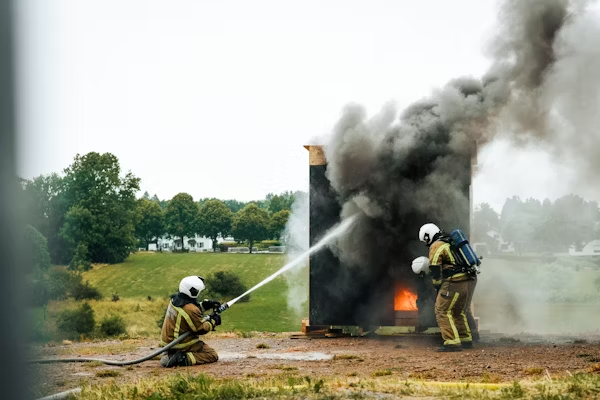
Practical sessions often include evacuation drills and fire suppression techniques, so workers don’t just know what to do; they’ve practiced it. Being prepared for high-risk situations gives employees the confidence to respond instead of panicking, which is critical in emergencies.
Safe Handling of Hazardous Materials
Hazardous materials are common in energy jobs, whether it’s chemicals, fuels, or waste products. Training covers how to store, transport, and dispose of these substances without creating new risks. Workers also learn about labeling systems and protective steps that keep both people and the environment safe.
Hands-on practice is especially important here. Workers who go through real training scenarios are less likely to make mistakes when handling dangerous substances.
Knowledge of Personal Protective Equipment
Personal protective equipment (PPE) only works if it’s used the right way. Safety training shows workers how to choose the correct gear, wear it properly, and maintain it. Something as simple as adjusting a harness or checking a helmet can make a major difference in preventing injuries.
Training also builds habits around PPE use. Instead of treating it as an inconvenience, workers begin to see it as part of their routine.
Developing Emergency Response Preparedness
Emergencies in the energy sector can escalate quickly. Training prepares workers to respond to situations like gas leaks, equipment failures, or explosions. Workers learn step-by-step actions to take in order to protect themselves and others in those first critical moments.
Drills are a key part of this preparation. Practicing responses in controlled settings makes it easier for workers to act calmly when real emergencies happen. The more familiar they are with procedures, the faster and more effectively they can react under pressure.
Hazard Recognition and Risk Assessment Skills
Spotting hazards before they turn into accidents is a critical skill for energy workers. Safety training teaches employees how to identify unsafe conditions, whether it’s faulty equipment, spills, or unstable structures. Workers also learn to pause, assess the level of risk, and decide on the safest next step.

When hazard recognition becomes second nature, the entire workplace benefits. Instead of waiting for supervisors to notice problems, workers take initiative.
Providing Hands-On Drills
Reading manuals or watching videos isn’t enough. Workers need practice in situations that mirror what they might face in the field. Drills that simulate equipment failures, confined space rescues, or emergency evacuations give employees real experience applying what they’ve learned.
Such sessions also highlight gaps in knowledge or confidence that can be addressed during training. Workers leave with more than theory. They walk away knowing they’ve handled a scenario, which makes them better prepared for the unexpected.
Encouraging a Culture of Responsibility
Every worker has a role in keeping themselves and their team safe. Training emphasizes this point, encouraging employees to report hazards, speak up about unsafe practices, and look out for one another.
When accountability becomes part of everyday work, safety stops being a checklist and becomes a shared value. Teams that take responsibility together create stronger, more reliable work environments where everyone feels supported.
Training Supervisors to Reinforce Safe Practices
Supervisors set the tone on energy sites. Training gives them the tools to identify unsafe behaviors, correct them quickly, and reinforce positive actions.
Well-trained supervisors also become mentors. They can explain why rules matter, demonstrate proper techniques, and encourage workers to adopt safe habits. This ongoing support helps keep safety practices consistent and reliable across the entire workforce.
Preparing Workers for Extreme Conditions
Energy jobs often take place outdoors, where the weather is unpredictable. Training prepares workers to handle heat, cold, storms, and other extreme conditions that put health and safety at risk. Lessons include recognizing early warning signs of weather-related issues like heat exhaustion or frostbite.
Workers also learn strategies to adjust their routines in tough environments, such as taking scheduled breaks, using protective gear, or securing equipment against high winds.
Developing Fatigue Management
Long shifts and demanding schedules can lead to fatigue, which reduces focus and increases the likelihood of mistakes. Safety training addresses how tiredness affects performance and why rest is a crucial part of staying safe on the job.
Workers are encouraged to recognize the signs of fatigue in themselves and their teammates. Training also promotes practical steps like rotating tasks, taking breaks, and setting realistic schedules. Managing fatigue protects both the individual and the entire team from unnecessary risk.
Safety training in the energy sector is an investment in people. Workers who are trained by qualified experts, understand industry hazards, and practice real-life scenarios are more confident and capable in their roles. From learning how to use protective gear correctly to developing the awareness needed to prevent accidents, training builds habits that make energy sites safer and more efficient.