
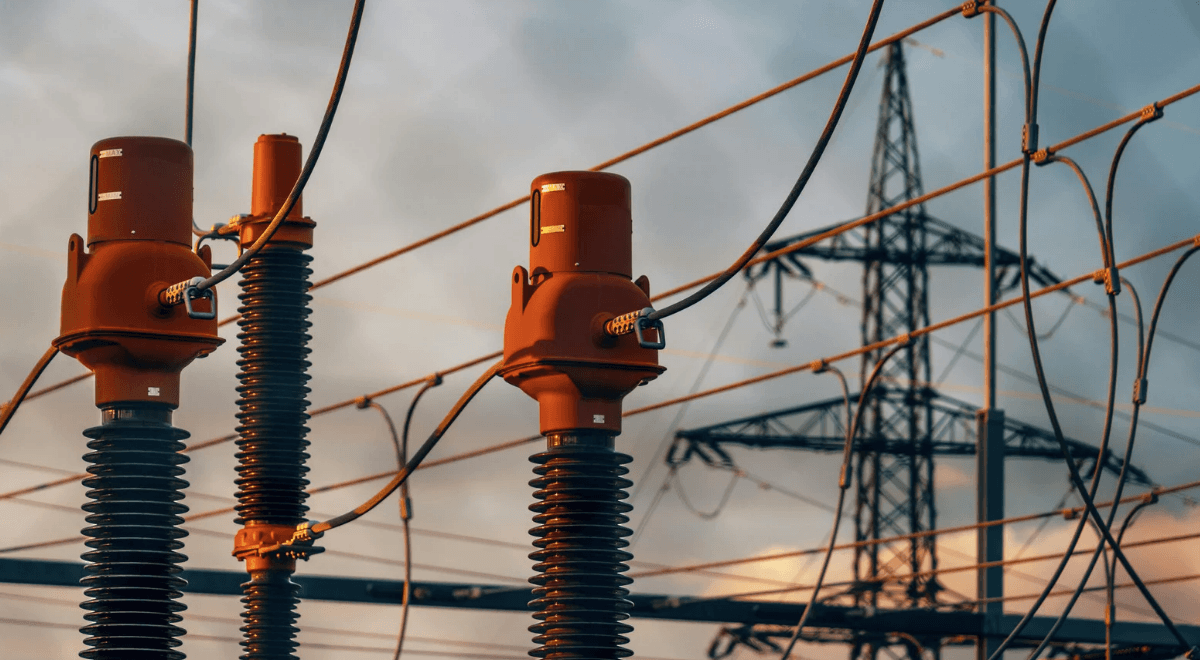
How to Choose Heavy-Duty Power Cables for Energy Infrastructure
Walk any substation yard, battery storage site, or generator compound and you’ll see the part of the project nobody photographs: the cable. It runs in trays, through conduit, across trenches, and into cam-lock panels, carrying hundreds of amps between equipment that costs millions. When it’s specified well, nobody thinks about it for thirty years. When it’s specified badly, it’s the reason for the outage, the arc flash, or the replacement job that costs more than getting it right would have.
Energy infrastructure is being built and rebuilt at a pace the grid hasn’t seen in decades, and much of it depends on cable choices made early and under deadline. This guide covers the decisions that matter most, in the order an engineer or procurement lead usually faces them.
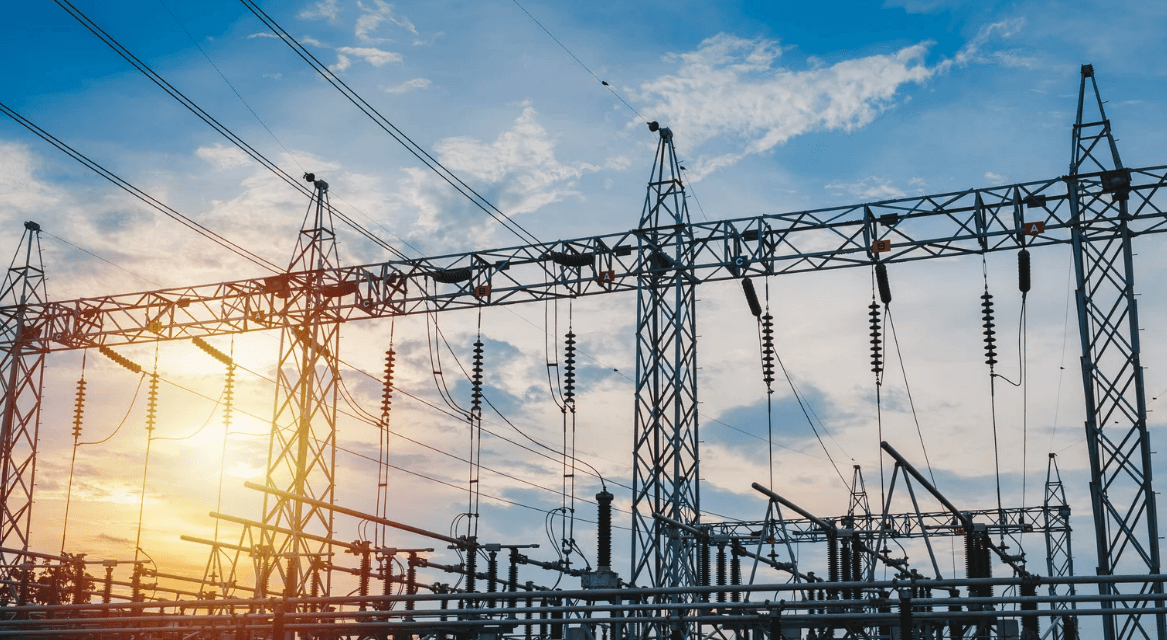
The Grid Is Carrying More Than Ever
The load on infrastructure is rising, not leveling off. According to the U.S. Energy Information Administration’s October 2026 Short-Term Energy Outlook, U.S. electricity generation is projected to climb from 4,430 billion kilowatt-hours in 2025 to 4,545 billion in 2026, with commercial-sector consumption, which includes data centers, up 5 percent year over year in the third quarter of 2026.
Every one of those additional kilowatt-hours moves through conductors that were chosen by someone. Undersized, under-rated, or poorly connected cable is where that growth turns into risk.
Start With the Electrical Requirements
Before material or construction, pin down the numbers the cable has to meet:
- Voltage class. Low voltage (up to 600 V or 1,000 V), medium voltage (typically 2.4 kV to 35 kV), or high voltage. A cable’s insulation thickness and construction are set by this rating, and there’s no safe way to use a cable above it
- Ampacity. The continuous current the cable must carry, derated for ambient temperature, bundling, conduit fill, and installation method. Always size from the derated figure, not the catalog number
- AC or DC. Battery storage and solar DC circuits have different insulation and connector requirements from AC distribution
- Fault current and duration. The cable and its terminations must survive the available short-circuit current for the time it takes protection to operate
- Voltage drop. Long runs at high current need larger conductors than ampacity alone suggests
Get these from the single-line diagram and the protection study, not from an estimate.
Match the Construction to the Environment
Energy sites are harsh. The cable has to survive where it’s going:
- Outdoor and wet locations need sunlight-resistant, water-resistant jackets; look for “W” and “SR” in the designation
- Direct burial requires cable rated for it, with jackets that resist moisture, soil chemicals, and crushing
- Oil, fuel, and chemical exposure, common around generators and transformers, calls for oil-resistant jackets such as the “OO” in SOOW
- Temperature extremes. Verify both the high-temperature conductor rating and the low-temperature flexibility rating; a jacket that cracks at minus 25 degrees is a failure waiting for January
- Mechanical stress. Cable that will be dragged, flexed, run over, or coiled daily needs flexible stranding and a tough thermoset jacket, not a rigid building-wire construction
- Flame performance. Indoor runs and cable trays usually require specific flame-spread ratings
Choosing cables designed for the site’s specific environmental conditions helps prevent premature wear, improve operational safety, and ensure reliable performance in demanding energy applications.
Permanent or Portable?
Energy infrastructure uses both, and they’re specified differently. Permanent feeders are typically armored or tray-rated cable in fixed raceways, chosen for decades of service. Temporary and portable power, for construction, commissioning, maintenance, mobile generation, and backup, uses flexible cord assemblies with connectors designed to be made and broken repeatedly.
Portable systems are where the most mistakes happen, because the cable, the connectors, and the distribution panels have to work as a system under real-world handling. Choosing power cables for this role means looking at the complete assembly, not the conductor alone: the cord type, the connector rating, how the connector is attached to the cable, and whether the assembly is listed as a unit.
Duraline, a Florida manufacturer that has supplied molded cable assemblies and cam-type connectors since 1946, builds its single-pole connectors rated from 50 to 1,000 amps and molds them directly to SOOW cord for a watertight seal. That kind of molded-to-cable construction is worth specifying wherever an assembly will be connected, disconnected, and moved on a schedule.
Don’t Overlook the Connectors
A cable is only as reliable as its ends. For heavy-duty power:
- Single-pole cam-type connectors are the standard for high-amperage temporary connections; verify the amp and voltage rating, continuous versus intermittent, and whether they’re UL/cUL listed
- Latching or locking designs prevent accidental disconnection under load
- Color coding by phase and polarity prevents the most common wiring errors
- Strain relief and sealing at the cable entry determine whether water and vibration get in
- Terminations on permanent cable should be rated for the conductor material and size, and installed with the correct torque
Mismatched or under-rated connectors are a leading cause of overheating at connection points.
Standards, Listings, and Documentation
Specify cable and assemblies that carry the relevant listings for their use, such as UL, CSA, or IEC, and insist on documentation: ampacity tables, test reports, and the listing category.
For assemblies, ask whether the complete product, not just the components, is listed, and whether the manufacturer is audited by a nationally recognized testing laboratory. Made-in-USA or traceable sourcing matters for government and utility work and for supply-chain reliability on long projects.
Plan for the Life of the Installation
Planning for the long-term performance of an electrical installation helps improve reliability, simplify maintenance, and avoid costly upgrades as operational needs evolve.
- Size for future load, not just today’s; adding cable later is far more expensive than upsizing now
- Choose jackets and connectors rated for the full temperature and weather range the site will see
- Label and document every run so maintenance teams can identify circuits a decade later
- Build in inspection access, since cable that can’t be inspected can’t be maintained
- Keep spare assemblies for critical temporary and backup circuits
By accounting for future capacity, environmental conditions, proper documentation, and ongoing maintenance, you can build an installation that remains safe, efficient, and dependable for years to come.
A Short Checklist
Before purchasing or installing electrical cables and assemblies, use this checklist to verify that every component meets the installation’s electrical, environmental, and safety requirements.
- Voltage class, derated ampacity, AC/DC, fault rating, and voltage drop confirmed
- Jacket and insulation matched to wet, buried, oil, temperature, and mechanical conditions
- Permanent versus portable use identified, with assemblies specified as complete systems
- Connectors rated, listed, latching, and color-coded
- Listings and documentation in hand before purchase
- Sized and documented for the installation’s full life
Reviewing these key factors before installation helps ensure reliable performance, supports long-term safety, and reduces the risk of costly failures or compliance issues.
Conclusion
Choosing heavy-duty power cables for energy infrastructure comes down to a disciplined sequence: establish the electrical requirements from real studies, match the cable’s construction to the conditions it will actually live in, decide whether the application is permanent or portable and specify complete assemblies for the latter, give connectors the same scrutiny as conductors, and buy only what carries the right listings and paperwork.
With U.S. electricity generation projected to exceed 4,500 billion kilowatt-hours next year and commercial demand growing fast, the conductors underneath that growth deserve more than a line item. Specify them like the thirty-year asset they are.