

Powering Sprinklers With Stored Solar to Protect New Sod
The outage hits at 5:40 a.m. The battery takes over, the fridge keeps humming, the Wi-Fi blinks once and recovers. Out in the side yard, the booster pump that feeds the sprinklers stays silent, because nobody put it on the backup panel. By noon, a lawn that went down three days ago is curling at the seams.
That morning shows what home storage actually does. A battery is a timing device. It moves solar energy from the hour it is made to the hour you need it, and few household loads expose a bad timing plan faster than an irrigation pump feeding thirsty turf.
Why irrigation is a timing test
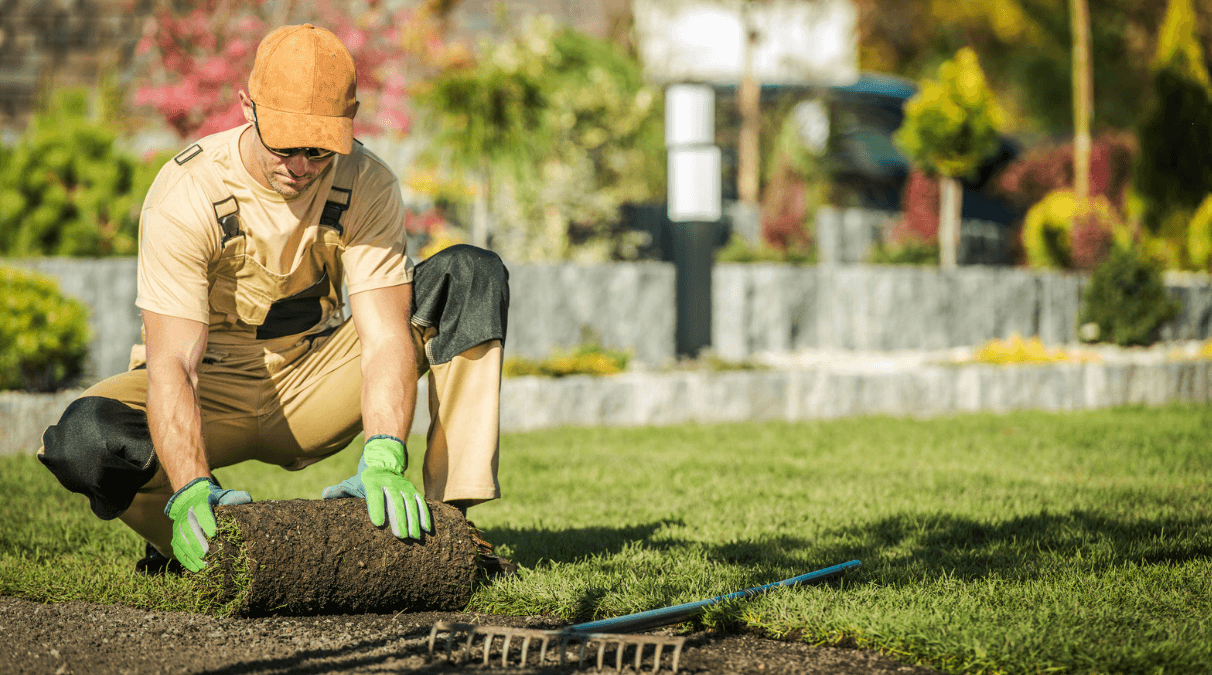
New sod needs short, frequent watering for its first two weeks, often three or four cycles a day. The pump asks for power at fixed hours whether the grid is cheap, expensive, or down. A lawn laid through Cerritos sod delivery and installation sits in Southern California Edison territory, where time-of-use peak pricing runs from 4 to 9 p.m., so a 6 a.m. cycle and a 2 p.m. cycle both finish before the expensive window opens. That single scheduling choice decides whether the pump draws from the panels, the battery, or the priciest kilowatt-hours on the bill.
Not every yard has this problem. Many run on municipal water pressure, and the only electrical load is a controller drawing a few watts. Storage starts to matter when a pump is involved: a well pump, a booster for low-pressure lines, or a transfer pump pulling from a rain tank.
Hardware has caught up with those loads. According to PV magazine USA, battery storage was paired with 37% of new U.S. residential solar installations in 2025, up from 25% a year earlier, while the median home battery stayed at 13.5 kWh.
| Metric | Latest figure | Change |
| New U.S. residential solar paired with a battery | 37% | Up from 25% |
| California residential solar-plus-storage attachment rate | About 74% | Up from 58% |
| Median residential battery storage capacity | 13.5 kWh | Unchanged |
| Median residential battery discharge capacity | 11.4 kW | Up from 6 kW |
| U.S. residential battery storage installed | Record 2.7 GW | Up 92% |
For irrigation, watch the discharge row. Capacity didn’t budge, but output nearly doubled, from 6 kW to 11.4 kW, and output is what a pump fights with every time it starts.
Sizing for the surge, not the hour
Pumps are deceptive. A 1-horsepower booster might run at about 1,000 watts, yet it can pull three to five times that for a split second at startup. If the inverter can’t deliver roughly 4,000 watts of surge on top of whatever else the house is running, the pump trips or the inverter faults. The lawn stays dry while the battery reads 80% full.
Energy is the easier half. Four 12-minute cycles on that 1,000-watt pump use about 0.8 kWh a day, and even a 1.5-horsepower well pump running an hour daily stays under 2 kWh. Against a 13.5 kWh battery, that’s a small slice. The real risk is the pump starting at the same moment as an air conditioner or EV charger.
Check the inverter’s rated surge first. If it falls short, a soft starter on the pump, often a few hundred dollars installed, can cut startup draw by half or more and let a smaller inverter carry the load.
Timing cycles around solar and peak rates
The cheapest watering happens while the panels are producing. A midday cycle runs straight off solar, sparing both the grid and the battery’s cycle count. Cycles before sunrise come from the battery, which refills by late morning on a clear day.
Keep the pump out of the 4 to 9 p.m. window entirely. On a typical California time-of-use plan, evening kilowatt-hours can cost twice what midday power does, and stored energy is better spent on lights and cooking after 4 p.m. Program the controller once and the savings repeat every day of the season.
Weather data helps too. Several smart controllers skip cycles after rain, saving water and leaving more charge in reserve.
Habits that keep new sod alive through an outage
Do the work before the grid fails. Most battery systems back up a subpanel, not the whole house, and installers often leave the irrigation circuit off because it seems optional. For the two to three weeks new turf is established, it isn’t.
- Confirm the pump circuit and the irrigation controller both sit on the backed-up panel, and test it by flipping the main breaker on a sunny afternoon.
- Set a battery reserve of at least 30% during sod establishment so an overnight outage still leaves enough charge for the morning cycles.
- Save the controller’s schedule to non-volatile memory, or replace its backup battery, so a power blip doesn’t wipe the watering times.
- Stagger the pump so it never starts within five minutes of the well pump, pool pump, or HVAC compressor.
Run that breaker test now, not after the lawn arrives.
If an outage catches you short anyway, triage. Shed the dryer and EV charger, run the pump for shorter but still frequent cycles, and water the edges and seams first, since they dry out fastest. A tarp over the hottest strip buys a few hours.
Around day 14, tug a corner of the sod. If it doesn’t lift, the roots have knitted: switch to deeper, less frequent watering and return the reserve setting to normal. Then move the pump’s schedule into the midday solar window for good, where it costs almost nothing to run.